Indian textile sourcing becomes easier when buyers provide technical specifications instead of requesting generic “cotton fabric.” India has a deep textile manufacturing base, but buyers need to define the fabric or finished product precisely. Technical specifications help suppliers quote accurately and reduce quality disputes. Specify fibre composition State the required fibre composition and any applicable […]
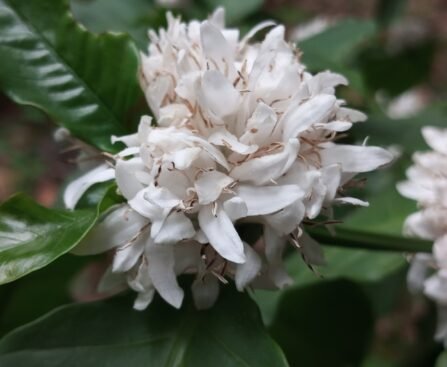
Indian coffee can be sourced as green beans, roasted coffee or customized private-label products. Indian coffee offers opportunities for importers across specialty retail, cafés, food service and private-label brands. Buyers should begin with the intended market and product format rather than simply requesting “Indian coffee.” Choose the product format Options can include green beans, roasted […]
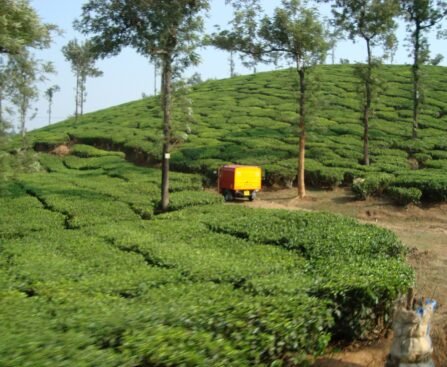
Tea buyers should define origin, grade, blend, packaging and quality parameters before requesting export quotations. Indian tea offers opportunities for distributors, cafés, retailers and private-label brands. The challenge is making the word “tea” into a specification that suppliers can quote and reproduce consistently. Define your tea requirement Specify black, green or specialty tea, leaf style, […]
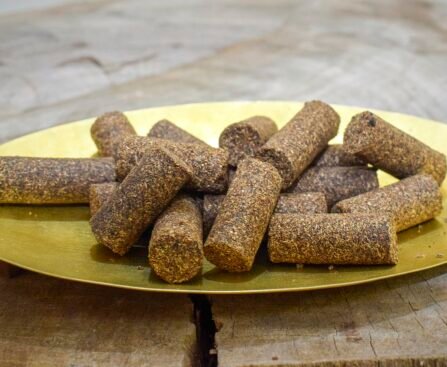
Indian spices can be sourced in whole, ground and processed formats, but buyers need precise quality specifications. Spices are a major Indian sourcing opportunity, but “black pepper” or “turmeric” is not a complete buying specification. Buyers should define grade, origin or variety where relevant, moisture, cleanliness, processing, packing and intended use. Whole versus ground Whole […]
Small businesses can explore niche Indian product categories where manageable MOQs and strong product stories create retail opportunities. Small businesses do not need to compete with large importers on volume. A better approach is to choose products with manageable MOQs, clear differentiation, practical shipping economics and a realistic target customer. 1. Handicrafts and home décor […]