


Small businesses do not need to compete with large importers on volume. A better approach is to choose products with manageable MOQs, clear differentiation, practical shipping economics and a realistic target customer.
1. Handicrafts and home décor
Handmade baskets, brass décor, wooden products and natural-fibre goods can suit boutiques, gift shops and online stores. Buyers should control dimensions, finish, packaging and breakage risk.
2. Spices and food ingredients
Spices can support retail packs, food-service supply and private-label brands. Product specifications, food safety documentation and destination-market rules are essential.
3. Incense and fragrance products
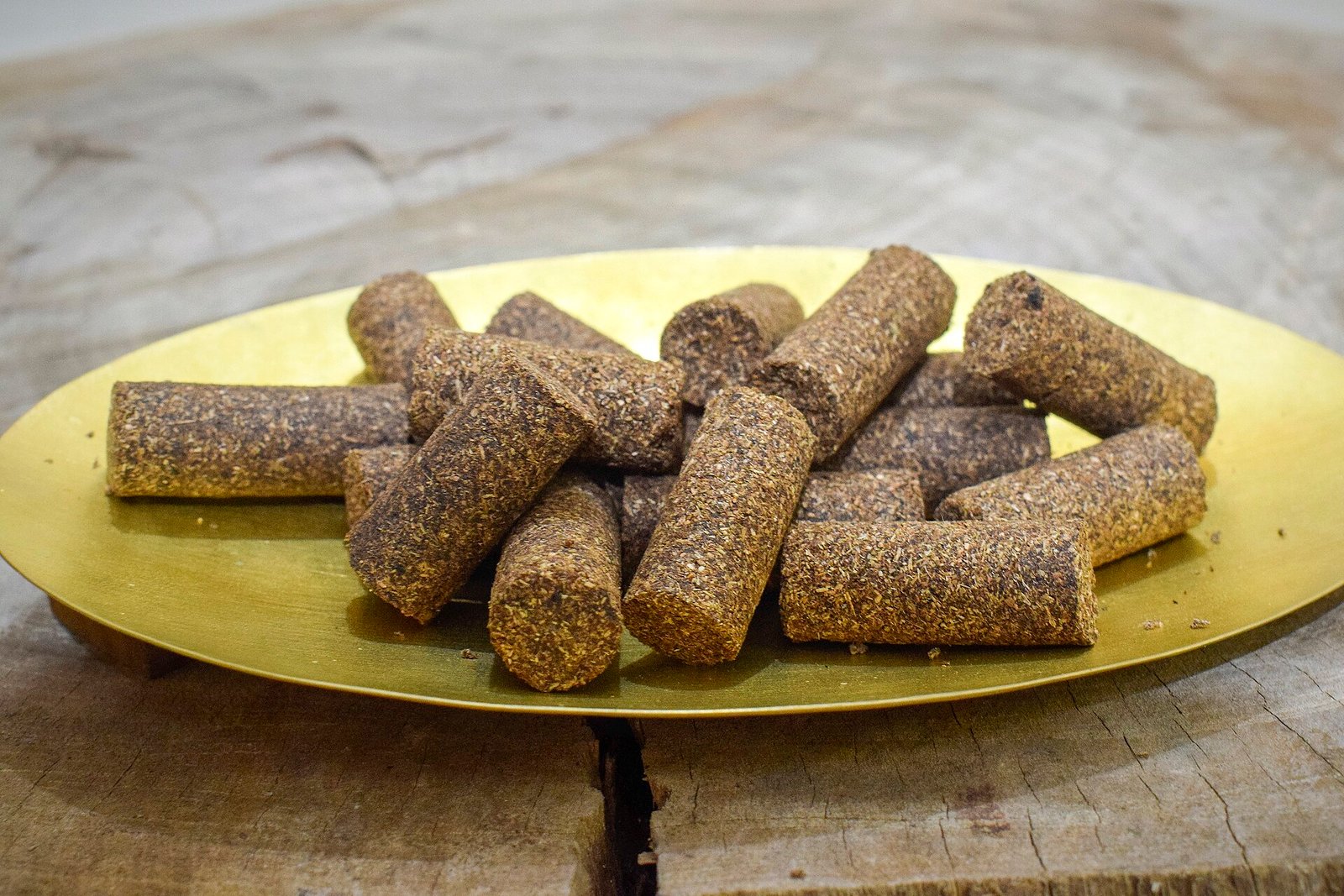
Incense sticks, cones and gift sets can work for specialty retail and wellness channels. Buyers should specify fragrance, ingredients, burn characteristics, packaging and applicable compliance requirements.
4. Jute and coir products
Bags, baskets, mats and gardening products can fit sustainability-focused retail ranges. Consistent sizing and moisture-resistant export packaging should be discussed.
5. Cotton textiles
Home textiles, bags and apparel offer broad design options. Specify fibre composition, GSM, weave, dimensions, colour standards and shrinkage expectations.
Choose products using five filters
- Demand in your target market
- Manageable MOQ
- Shipping economics
- Compliance requirements
- Supplier reliability
The best first import is usually a focused product range that can be tested, measured and reordered—not a catalogue containing dozens of unrelated SKUs.
